Salted Caramel Ice Cream
A classic ice cream base, flavoured with a luxuriously sweet and creamy salted caramel- incredibly indulgent on its own or paired with any dark chocolate dessert...
Ingredients: 100g Caster Sugar
20g Salted Butter
1 Teaspoon of Salt
300ml Full-Fat Milk
350ml Double Cream
6 Egg Yolks

Method:
1. Heat the sugar in a pan on a medium heat and when it's fully melted, add the butter and a teaspoon of salt.
2. Once it has heated up to a caramel, add 50ml of the double cream, turn the hob down to low heat and gently mix together before taking off the heat.
3. Meanwhile in another saucepan, heat the full-fat milk and the other 300ml of double cream on a medium heat.
4. Whisk the egg yolks in a separate bowl and once the cream/milk has come to the boil add to the yolks whilst whisking. To incorporate all the ingredients and stop the eggs from cooking too quickly and scrambling.
5. Place back on the heat and add the salted caramel to the mix, to thicken slightly. Once thickened take off the heat and allow to cool before churning.
6. Churn the ice-cream in an ice-cream maker for 25-30 minutes and store in an air-tight container. Consume within 1 month.
Jerusalem Artichoke Soup (Serves 6)
Although not the most attractive or commonly used vegetable in the World, they pack a wonderfully subtle nutty and earthy flavour. But get hold of them as soon as you can as they're almost at the end of their season...
Ingredients: 500g Jerusalem Artichokes (Peeled and Sliced)
1 Onion (Peeled and Sliced)
4 Sprigs of Thyme
4 Cloves of Garlic (Peeled and Crushed)
500ml Full-Fat Milk
500ml Vegetable Stock or Water
200ml Double Cream
 Method:
1. On a medium to large based saucepan soften the jerusalem artichokes, garlic, onions and thyme with a small knob of butter on a medium heat. Do not allow to colour, as this is a white soup and will effect the overall outcome otherwise.
2. Once softened add the milk and stock/water, bring to the boil and turn down the heat to a simmer so the flavour does not become impaired.
3. After 35-40 minutes or until the artichokes are soft add the double cream and warm through.
4. Transfer the contents to a blender (removing the thyme) and blitz until smooth. If you want it extra smooth pass through a sieve or shinois.
5. Season to taste with salt and white ground pepper and serve.
Method:
1. On a medium to large based saucepan soften the jerusalem artichokes, garlic, onions and thyme with a small knob of butter on a medium heat. Do not allow to colour, as this is a white soup and will effect the overall outcome otherwise.
2. Once softened add the milk and stock/water, bring to the boil and turn down the heat to a simmer so the flavour does not become impaired.
3. After 35-40 minutes or until the artichokes are soft add the double cream and warm through.
4. Transfer the contents to a blender (removing the thyme) and blitz until smooth. If you want it extra smooth pass through a sieve or shinois.
5. Season to taste with salt and white ground pepper and serve.
 Chorizo and Red Pepper Risotto (Serves 4)
An Italian classic, given a Spanish makeover...
Ingredients: 1 Onion (Peeled and Diced)
2 Sprigs of Thyme
1 Bay Leaf
2 Cloves of Garlic (Peeled & Finely Chopped)
1 Red Pepper (De-seeded & Sliced)
225g Chorizo (Diced)
1 Teaspoon of Paprika
A pinch of Saffron
400g Arborio Rice
125ml White Wine
200ml Passata
750ml Chicken Stock (Approx)
Method:
1. In a large pan fry off the onion, thyme, bay leaf, garlic, red pepper, paprika, saffron and chorizo in a tablespoon of oil for 5-10 minutes.
2. Once softened, add the rice and cook out for a further 1-2 minutes- by frying the rice you get improved results.
3. After this, add the white wine and cook the alcohol content out. Swiftly after add your other liquids- Most recipes would say add the liquids bit by bit, but I've tried it both ways and it gets the same result.
4. Stir every 5 or so minutes to avoid the rice catching and continue to cook for 25-30 minutes until the rice is al dente (firm, but not hard) and the sauce has thickened.
5. Season to taste with salt and freshly ground black pepper and serve.
Chorizo and Red Pepper Risotto (Serves 4)
An Italian classic, given a Spanish makeover...
Ingredients: 1 Onion (Peeled and Diced)
2 Sprigs of Thyme
1 Bay Leaf
2 Cloves of Garlic (Peeled & Finely Chopped)
1 Red Pepper (De-seeded & Sliced)
225g Chorizo (Diced)
1 Teaspoon of Paprika
A pinch of Saffron
400g Arborio Rice
125ml White Wine
200ml Passata
750ml Chicken Stock (Approx)
Method:
1. In a large pan fry off the onion, thyme, bay leaf, garlic, red pepper, paprika, saffron and chorizo in a tablespoon of oil for 5-10 minutes.
2. Once softened, add the rice and cook out for a further 1-2 minutes- by frying the rice you get improved results.
3. After this, add the white wine and cook the alcohol content out. Swiftly after add your other liquids- Most recipes would say add the liquids bit by bit, but I've tried it both ways and it gets the same result.
4. Stir every 5 or so minutes to avoid the rice catching and continue to cook for 25-30 minutes until the rice is al dente (firm, but not hard) and the sauce has thickened.
5. Season to taste with salt and freshly ground black pepper and serve.
Beef and Red Wine Casserole served with Horseradish Mash (Serves 4)
A rich and sumptuous dish, with the addition of horseradish gives it a wonderful kick...
Ingredients: 500g Braising Beef (Brisket, Chuck, Blade or Cheek would be ideal)
1 Large Onion (Peeled and Chopped)
3 Carrots (Peeled and Chopped)
 3 Sticks of Celery (Chopped)
2 Sticks of Rosemary
2 Sticks of Thyme
3 Sticks of Celery (Chopped)
2 Sticks of Rosemary
2 Sticks of Thyme
2 Bay Leaves
2 Cloves of Garlic
150g Mushrooms (Sliced)
300ml Red Wine
1 Tablespoon Tomato Puree
Worcestershire Sauce
300ml Beef Stock
900g King Edward Potatoes (Peeled and Cut into quarters)
50g Salted Butter
100ml Double Cream
2 Tablespoons of Horseradish (Fresh or Creamed)
3 Tablespoons of Milk
Method:
1. In a large casserole pan on a medium/high heat soften the onion, carrots, celery and garlic for 5 minutes.
2. Add the beef and brown the meat off for a further 2/3 minutes.
3. Once browned, first add the tomato puree and the thyme, rosemary and bay leafs and cook out for 1 minute. Than add the red wine. Reduce the wine by half.
4. Add a good glug of worcestershire sauce and the beef stock, once to the boil turn down the hob down to a low heat, cover with a lid and allow to cook slowly for at least 3/4 hours. The longer the better. Checking every hour or so, incase more stock needs to be added.
5. Meanwhile, cover the potatoes in water in a medium based saucepan and put on a high heat with the lid on, until boiling. Boil for 25 minutes or until soft.
6. Once the potatoes are cooked, drain them and put them back in the saucepan to mash. Whilst in a separate saucepan get the cream, butter and double cream on a medium heat to warm and melt the butter.
7. Mash the potatoes and add the hot cream mix to the potatoes mixing thoroughly and add the horseradish.
8. Season both the stew and mash to taste and serve.
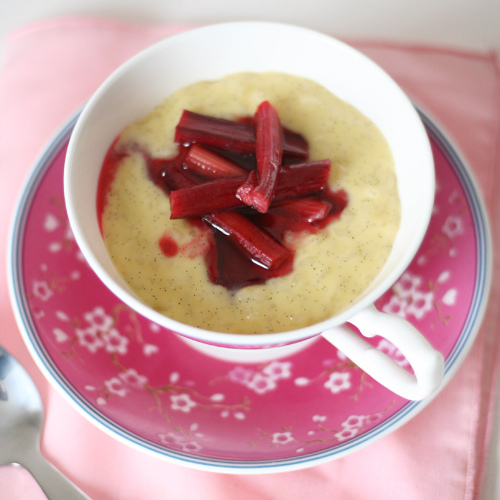
 Vanilla and Orange Rice Pudding served with Rhubarb Compote (Serves 4)
A Great British classic. With forced rhubarb bang in season too, this makes this dish a wonderful winter warmer...
Ingredients: 250g Pudding Rice
1 Vanilla Pod (Halved, scrape the seeds out)
Zest of 1 Orange
1 Litre Full-Fat Milk
150ml Double Cream
200g Caster Sugar
2 Sticks of Rhubarb
2 Tablespoons of Grenadine
Methods:
1. In a medium/large based saucepan add the pudding rice, halved vanilla pods and seeds, orange zest, full-fat milk and 150g of the caster sugar and cook at a low/medium heat.
2. Stir occasionally, making sure the rice does not catch to the bottom of the pan.
3. Meanwhile roughly chop the rhubarb, and place in a pan with the grenadine and 50g sugar. Simmer on a low heat, to avoid the rhubarb overcooking.
4. Once the rice is cooked add the double cream for extra richness.
5. Cook the rhubarb until tender (if you can push a knife through, the rhubarb is cooked).
6. Serve the rice pudding piping hot with rhubarb compote on top.
Vanilla and Orange Rice Pudding served with Rhubarb Compote (Serves 4)
A Great British classic. With forced rhubarb bang in season too, this makes this dish a wonderful winter warmer...
Ingredients: 250g Pudding Rice
1 Vanilla Pod (Halved, scrape the seeds out)
Zest of 1 Orange
1 Litre Full-Fat Milk
150ml Double Cream
200g Caster Sugar
2 Sticks of Rhubarb
2 Tablespoons of Grenadine
Methods:
1. In a medium/large based saucepan add the pudding rice, halved vanilla pods and seeds, orange zest, full-fat milk and 150g of the caster sugar and cook at a low/medium heat.
2. Stir occasionally, making sure the rice does not catch to the bottom of the pan.
3. Meanwhile roughly chop the rhubarb, and place in a pan with the grenadine and 50g sugar. Simmer on a low heat, to avoid the rhubarb overcooking.
4. Once the rice is cooked add the double cream for extra richness.
5. Cook the rhubarb until tender (if you can push a knife through, the rhubarb is cooked).
6. Serve the rice pudding piping hot with rhubarb compote on top.
December 13th 2012
 Prior to a gig that me and MBH would be attending in the evening at the 02 Arena in London, we decided to have lunch in Kensington and try out Launceston Place. Hearing that Tristan Welch had left the helm as head chef, replaced by Tim Allen earlier in the year (who himself had worked at the 2 starred Whatley Manor for seven years) intrigued me further to see what this newly awarded Michelin starred restaurant had to offer. Promising "traditional British dishes with a twist. Dishes combine excellent British ingredients and are served at the table with a touch of theatre." This seemed to be an elaborate way of offering a Modern British affair, a term I have begun to dread with a number of restaurants jumping on this bandwagon.
 Upon arriving at the restaurant it had a sense of grandeur, and was definitely not out of place in
this affluent area. The monotone exterior may have been slightly intimidating, but once entering, soft furnishings and neutral interiors were on show giving the restaurant some comfort in an atmosphere of which anyone would be deemed as welcome. Once seated we were bombarded with the hard-backed wine list, market and set lunch menus.
Due to it's location, the wines were on the dearer side, looking at £32.00 and up for the majority of the wines offered. Hearing that they had won "Best Wine List at the Tatler Restaurant Awards" the list had a mixture of wines from new, emerging wine areas, as well as old world wines from classically acclaimed regions. We were eventually swung by a Sauvignon Blanc from the Palliser Estate in Martinborough, New Zealand priced at £37.00- containing passion fruit and floral notes, with only slight acidity made it an easy-drinking wine. With our table full of menus and cramped into the corner of the restaurant, the canapes and water promptly arrived shortly after. Although, slightly uncomfortable these delectable morsels improved the situation- hot choux buns, filled with a rich, deep bechamel sauce were divine. Parmesan bonbons equally packed a salty punch, golden brown and crisp served on a spoon with wild mushroom puree was an absolute triumph. A wonderful way to open this gastronomic masterclass. Swiftly offered after was the amuse bouche, of curried lentils served with a cauliflower foam. The lentils were spiced delicately, but had a wonderful kick of cumin and coriander. The sweet and creamy foam acted as a perfect accompaniment to another superb dish.
Upon arriving at the restaurant it had a sense of grandeur, and was definitely not out of place in
this affluent area. The monotone exterior may have been slightly intimidating, but once entering, soft furnishings and neutral interiors were on show giving the restaurant some comfort in an atmosphere of which anyone would be deemed as welcome. Once seated we were bombarded with the hard-backed wine list, market and set lunch menus.
Due to it's location, the wines were on the dearer side, looking at £32.00 and up for the majority of the wines offered. Hearing that they had won "Best Wine List at the Tatler Restaurant Awards" the list had a mixture of wines from new, emerging wine areas, as well as old world wines from classically acclaimed regions. We were eventually swung by a Sauvignon Blanc from the Palliser Estate in Martinborough, New Zealand priced at £37.00- containing passion fruit and floral notes, with only slight acidity made it an easy-drinking wine. With our table full of menus and cramped into the corner of the restaurant, the canapes and water promptly arrived shortly after. Although, slightly uncomfortable these delectable morsels improved the situation- hot choux buns, filled with a rich, deep bechamel sauce were divine. Parmesan bonbons equally packed a salty punch, golden brown and crisp served on a spoon with wild mushroom puree was an absolute triumph. A wonderful way to open this gastronomic masterclass. Swiftly offered after was the amuse bouche, of curried lentils served with a cauliflower foam. The lentils were spiced delicately, but had a wonderful kick of cumin and coriander. The sweet and creamy foam acted as a perfect accompaniment to another superb dish.
 We both decided to opt for the Market Menu, which came to £48 for three courses, although 3 courses for £25 on the Lunch menu was not to be sniffed at, offering incredible value for money especially in this area. The slow cooked duck egg took my fancy served with pata negra lardon, duck confit, white bean puree and a cep cappuccino. While MBH went for monkfish slow cooked in olive oil served with airbag pork, apple, bacon, onion and ras el hanout. Both dishes seemed to offer a bit of mystique and theatre in the wording, however with the restaurant slowly filling up around us anticipation of the dish was all we could have, for a good 35-40 minutes which for time to wait for a starter I believe is inexcusable. The fact that the waiting staff didn't keep us informed of the progress in the kitchen also made the wait alot more tiresome and frustrating. After some obvious hiccups in the kitchen we received our starters (without an apology for the wait). The slow cooked duck egg, was beautifully rich and cooked perfectly paired with the salty pata negra and crisp duck confit. The cep cappuccino unfortunately was a bit of a non-starter, not living up to expectations or resembling the cappuccino element that was promised, as the foam did not quite hold. Although, in its defence, the flavour was wonderful coating all the elements with the intense wild mushroom essence which balanced the dish splendidly. MBH's monkfish starter looked as pretty as a picture, with the airbag pork proving a huge success, almost resembling popcorn and tasting of crackling- a lovely addition. The other garnishes were woven together expertly with a hint of background spice from the ras el hanout, which was not too overpowering.

For the main event I was torn between a delicate veal dish or robust and hearty venison. I eventually went for the venison, the haunch was cooked in a steamed suet Pudding, whilst roe deer loin was delicately smoked in hay. Served with caramelised swede, swede puree, brussel sprout tops, poached pear and a light venison jus. The gamey, smokey meat, partnered with sweet swede and pear added freshness and vibrancy to an otherwise heavy dish. The sprout tops added much needed texture and the sauce was light and bound the dish together. MBH decided to try the Iberico pork loin, with glazed pork belly, cabbage puree, salt baked apples, roast onion leaf and fig water honey. This renowned high quality pork breed I'm sure tastes outstanding, but being that the loin isn't the most flavoursome cut of pork it lacked flavour. The glazed pork belly, however was a different story altogether. The tender belly, glazed in a sweet liquor was divine, partnered with salt-baked apples added a salty, sweet note like a salt caramel and was a wonderful addition to the dish.
 For dessert we both opted for the 70% Vahlrona dark chocolate mousse, but before this we had the pleasure of a pre-dessert which proved to be wonderful palette cleanser. Sweet, but sharp rhubarb compote was delicately placed in a kilner jar, topped with a small quenelle of mellow pear sorbet. To finish it all off, candied ginger produced a subtle heat not overpowering the other elements. Superb. Swiftly after, we received our desserts. The dark chocolate mousse was placed opposite a soothing, mellow pear sorbet, adjacent to that the juicy, aromatic poached pear added an exquisite sweetness which was much needed to counterbalance the bitterness of the dark chocolate. The texture came from praline soil and Breton pastry, both adding crunch and richness with little pools of salt caramel sauce. Delectable.
Coming out of Launceston Place, we had mixed feelings. Obviously a restaurant on the up, with a very talented chef at the forefront of this surge. A few teething problems and service niggles however left us a tad frustrated, knowing that it could have been better. This place definitely deserves the attention and it's newly awarded Michelin starred status, but with more time for Tim Allen to settle into this new busy, city environment it should only get better.
Rating- 7/10
For dessert we both opted for the 70% Vahlrona dark chocolate mousse, but before this we had the pleasure of a pre-dessert which proved to be wonderful palette cleanser. Sweet, but sharp rhubarb compote was delicately placed in a kilner jar, topped with a small quenelle of mellow pear sorbet. To finish it all off, candied ginger produced a subtle heat not overpowering the other elements. Superb. Swiftly after, we received our desserts. The dark chocolate mousse was placed opposite a soothing, mellow pear sorbet, adjacent to that the juicy, aromatic poached pear added an exquisite sweetness which was much needed to counterbalance the bitterness of the dark chocolate. The texture came from praline soil and Breton pastry, both adding crunch and richness with little pools of salt caramel sauce. Delectable.
Coming out of Launceston Place, we had mixed feelings. Obviously a restaurant on the up, with a very talented chef at the forefront of this surge. A few teething problems and service niggles however left us a tad frustrated, knowing that it could have been better. This place definitely deserves the attention and it's newly awarded Michelin starred status, but with more time for Tim Allen to settle into this new busy, city environment it should only get better.
Rating- 7/10
Earl Grey Tea Ice Cream
 An unusual infusion and flavour, that works beautifully as an ice cream...
Ingredients: 300ml Full-Fat Milk
300ml Double Cream
6 Egg Yolks
75g Caster Sugar
2 Good Quality Earl Grey Teabags
Method:
1. On a low to medium heat in a small-based saucepan, warm the milk, cream and teabags. Leave to infuse for 10 minutes.
2. Meanwhile, whisk the eggs and sugar together in a separate bowl.
3. Pressing the teabags against the saucepan squeeze out the remaining flavour, pour the cream and milk mixture into the eggs/sugar and whisk until fully incorporated.
4. Put the mix back into the saucepan and onto the heat for a further 5 minutes, whisking regularly to thicken.
5. Once thickened, pour into a ice cream machine and churn for an estimated 20-25 minutes or refer to the manufacturers handbook.
6. After churning store in airtight containers (to reduce the risk of freezer burn) and consume within 1 month.
An unusual infusion and flavour, that works beautifully as an ice cream...
Ingredients: 300ml Full-Fat Milk
300ml Double Cream
6 Egg Yolks
75g Caster Sugar
2 Good Quality Earl Grey Teabags
Method:
1. On a low to medium heat in a small-based saucepan, warm the milk, cream and teabags. Leave to infuse for 10 minutes.
2. Meanwhile, whisk the eggs and sugar together in a separate bowl.
3. Pressing the teabags against the saucepan squeeze out the remaining flavour, pour the cream and milk mixture into the eggs/sugar and whisk until fully incorporated.
4. Put the mix back into the saucepan and onto the heat for a further 5 minutes, whisking regularly to thicken.
5. Once thickened, pour into a ice cream machine and churn for an estimated 20-25 minutes or refer to the manufacturers handbook.
6. After churning store in airtight containers (to reduce the risk of freezer burn) and consume within 1 month.